Why a Phoenix Photographer Can Create Lasting Memories
Boost Your Brand: The Role of Professional Photography in Achieving Business Excellence
In today's competitive market, the value of professional photography cannot be ignored. Companies that prioritize high-quality visuals frequently benefit from improved reputations and greater consumer confidence. Visual storytelling plays a vital role in fostering connections with audiences. Nevertheless, not all visuals are designed to achieve the same goal. Understanding how to choose the right photographer and utilize visuals effectively can make a substantial difference. What approaches can companies adopt to fully leverage the power of their visuals?
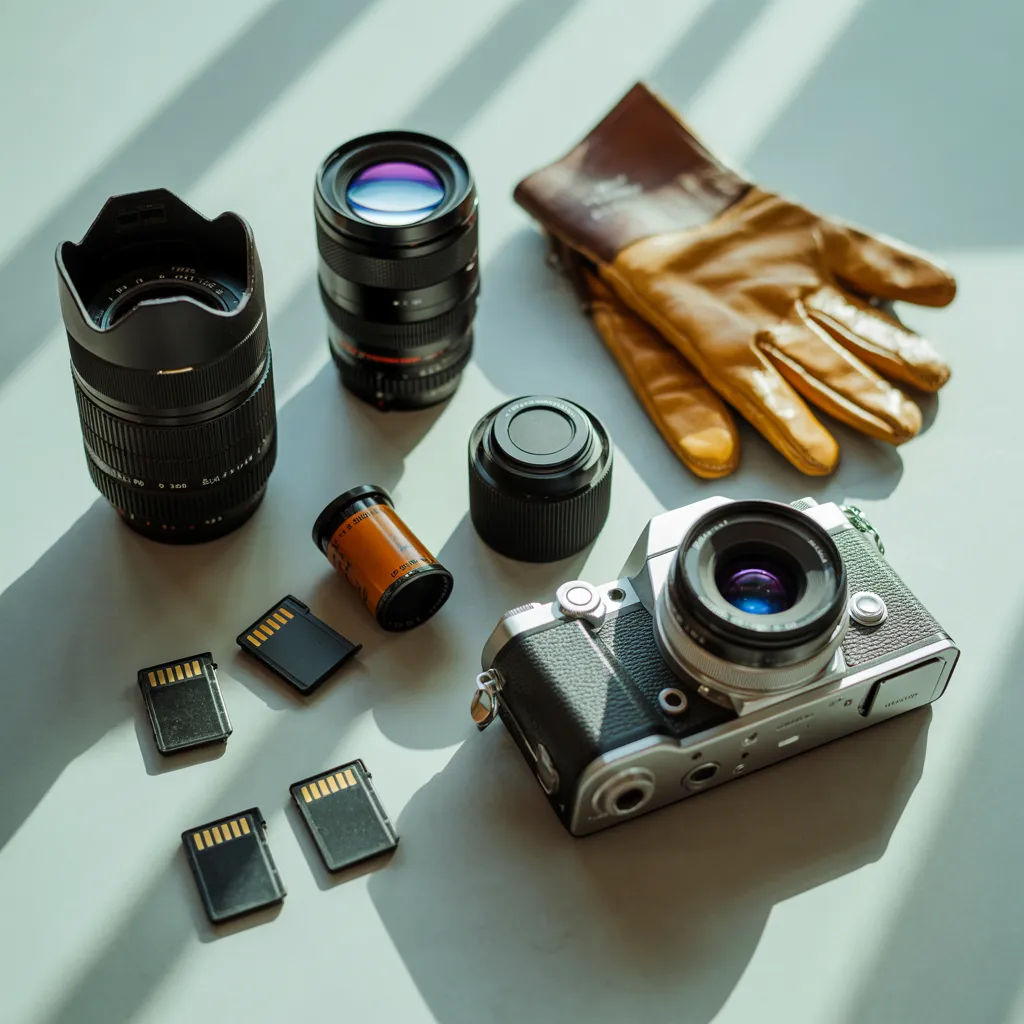
Why You Should Care About Professional Photography
What makes professional photography a worthwhile investment for businesses? This can be understood through the significance of first impressions. High-quality images can greatly enhance a brand's image, demonstrating expertise and a commitment to quality. Within a visually oriented business landscape, prospective clients frequently evaluate a company through its visual presentation. High-end photography highlights products and services at their finest, drawing in and holding the attention of potential customers.
In addition, consistent and polished visuals help establish a strong brand presence. Authenticity is vital; professionally taken images can craft a relatable story that appeals to a wide audience. This commitment can generate higher levels of engagement across multiple channels, from web pages to social media platforms.
In the end, organizations that commit to high-quality photography position themselves as leaders in their industry, building credibility and trust. In an era where visual content dominates, the need for high-quality visuals is not just valuable—it's essential for sustained success.
The Role of Visual Storytelling in Brand Engagement
In the modern competitive environment, visual storytelling has become an essential instrument for audience engagement. By building narratives with imagery, brands can establish deep emotional ties with their followers, making their messages more relatable and memorable. This approach transcends traditional marketing techniques, permitting organizations to convey their principles, objectives, and identity through powerful visuals.
Effective visual storytelling captures attention and fosters deeper interactions, motivating customers to commit to the brand. It empowers organizations to display their products and services meaningfully, illustrating how they enhance everyday life. With thoughtfully selected visuals, businesses can showcase their key differentiators and set themselves apart from the competition.
Furthermore, storytelling through visuals boosts online visibility, as shareable content increases visibility and encourages audience participation. Through leveraging compelling imagery that appeals to key demographics, brands can cultivate loyalty and drive engagement, which ultimately drives lasting commercial achievement.
How High-Resolution Images Foster Consumer Trust
Superior-quality photographs serve as a cornerstone for building consumer trust in today's online marketplace. They provide a pictorial depiction of a brand's identity, conveying professionalism and attention to detail. When consumers encounter crisp, well-composed photos, they are prone to perceive the brand as credible and reliable. This perception is critical, especially in an environment saturated with rivals and misleading content.
Additionally, premium-quality visuals elevate the overall user experience, turning websites and social media platforms into more engaging spaces. They enable prospective customers to picture products or services, building a sense of familiarity and trust. As consumers increasingly rely on visual cues to inform their purchasing decisions, businesses that prioritize professional photography differentiate themselves from rivals.
At its core, the influence of superior quality images reaches beyond mere appearance; they cultivate a robust foundation for credibility, inspiring customer loyalty and propelling business growth.
How to Find the Perfect Photographer
Selecting the right photographer is vital for aligning visual content with a brand's identity. It entails precisely defining the company vision, assessing the quality of the photographer's body of work, and considering budget options. By prioritizing these key factors, businesses can make informed decisions that improve their visual identity.
Establish Your Brand Vision
A precise brand strategy acts as the basis for identifying the most suitable photographer. Companies must first articulate their goals, values, and target audience, as this insight shapes the photographic style needed to successfully convey their brand story. Determining whether the business gravitates toward a modern, minimalist aesthetic or a lively, engaging aesthetic is critical. Moreover, defining specific goals—such as strengthening online impact or producing powerful marketing assets—will influence the selection of a photographer whose expertise matches these goals. By recognizing the intended emotional impact from the audience, companies can confirm they select a photographer who can embody the core of their brand. This purposeful approach significantly strengthens the overall effectiveness of the photographic narrative.
Review Portfolio Quality
When assessing photographers, the caliber of their portfolio serves as a vital indicator of their capabilities. A thorough portfolio showcases a breadth of styles and subjects, allowing interested clients to evaluate the photographer's adaptability and technical proficiency. It is essential to look for consistency in lighting, composition, and image quality, as these aspects reflect the photographer's attention to detail. Additionally, assessing prior work relevant to the specific field can provide insight into how well the photographer comprehends branding and marketing requirements. Client testimonials or case studies accompanying the portfolio may also boost credibility. Ultimately, a carefully curated portfolio not only demonstrates artistic vision but also indicates the photographer's ability to deliver results that correspond with a business's goals.
Consider Budget Options
Assessing portfolio quality lays the basis for finding the most suitable photographer, but cost factors hold equal significance in the selection process. Companies should define a clear budget that aligns with their marketing objectives. This budget should include not only the photographer's fees but also other potential costs, such as editing, travel, and licensing fees. Evaluating several photographers allows businesses to find a middle ground between excellence and budget. It is crucial to clearly express requirements and expectations early to avoid unexpected expenses. Furthermore, some photographers may offer bundled packages or reduced rates for more extensive projects, providing further options for budget-conscious businesses. At the end of the day, thorough budget management can lead explore the facts to a productive partnership that enhances brand image without exceeding the budget.
Leveraging Images Successfully Across Platforms
Utilizing the power of images can significantly boost a company's visibility across multiple platforms. Proper use of images requires an understanding of the specific characteristics of each platform. For instance, striking, compelling visuals work well on social media, encouraging user engagement and sharing. In contrast, clean, professional images are essential for websites and e-commerce platforms, where they build trust and credibility.
Additionally, consistency in visual style—fonts, color schemes, and image quality—solidifies brand identity. Adjusting images for particular formats, like square crops for Instagram and landscape orientations for Facebook, provides the best display and viewer experience. Moreover, incorporating images in email marketing has the potential to considerably enhance open and click-through rates.
Case Studies: Key Takeaways From Top Brands
Successful brands highlight the significant difference of professional photography on business outcomes. To illustrate, a renowned beauty company overhauled its marketing approach by utilizing premium visuals that presented its products in authentic environments. This change generated a 30% growth in e-commerce sales within six months, proving the power of attractive visual material.
In the same way, a upscale hotel chain used professional photography to present its unique amenities and magnificent views. The remarkable visuals not only strengthened their website but also improved engagement on social media, generating a 50% increase in direct reservations.
One more instance is a fashion retailer that embraced a harmonious brand image through professional photography campaigns. This method not only enhanced its brand perception but also fostered a loyal customer base, evidenced by a 40% rise in customer retention rates. Such examples demonstrate how the purposeful adoption of professional photography can greatly enhance brand image and propel overall business achievement.
Questions We Often Receive
How Much Should I Budget for Professional Photography Services?
Planning a budget for professional photography usually spans from $500 to $5,000, influenced by elements including project complexity, the photographer's experience level, and usage rights. Companies should evaluate their requirements to establish a suitable budget within this range.
Should I Use Stock Photos Instead of Hiring a Professional Photographer?
Utilizing stock images may serve as a budget-friendly option to bringing in a professional, but they may miss the mark on genuineness and distinction. Businesses should weigh the advantages of unique content against budget constraints when selecting imagery choices.
How Regularly Should I Update My Brand Visuals?
Businesses must renew their imagery every 1-2 years to stay aligned with modern trends and preserve their relevance. Frequent updates help keep the visual presence up to date, connecting with audiences and building lasting brand loyalty through reliable, premium visuals.
What Types of Photography Are Best for My Industry?
Lifestyle, product, and event photography serve as essential in most industries. Organizations should concentrate on high-quality images that engage their core audience, showcasing professionalism and authenticity to elevate brand image and customer interaction meaningfully.
How Can I Measure the Impact of Photography on My Brand?
To measure photography's effect on a brand, one can examine performance metrics, track conversion rates, obtain client feedback, and measure brand recognition using surveys, ultimately assessing how photographic content impacts overall business performance.